The official protein recommendation for adults, 0.8 grams per kilogram of body weight per day, was set decades ago, based on what's needed to prevent deficiency. It is now widely understood, including by the researchers who set the original number, to be inadequate for adults over 65 who want to keep their muscle. The real number is roughly double that. And almost no one is hitting it.
Why the requirement goes up, not down
It's counterintuitive. Older adults eat less overall, so it would seem like they need less of everything, including protein. The opposite turns out to be true. As we age, our bodies become less efficient at converting dietary protein into muscle. This is called anabolic resistance, and it means you need more protein to get the same muscle-building effect you got at 30.
The current best-evidence recommendation for adults over 65 who want to maintain or build muscle is roughly 1.2 to 1.6 grams of protein per kilogram of body weight per day. For a 70 kg (155 lb) adult, that's 84 to 112 grams of protein daily.
Most adults over 65 eat around 50–60 grams of protein per day, which is half to two-thirds of what they need. If you can't think of two solid protein sources (palm-sized pieces) you ate yesterday, you're probably under-eating protein.
Three rules that get the rest right
1. Spread it across the day
The body can only use about 30–40 grams of protein at a time for muscle building. Eating 80 grams at dinner doesn't store the extra, it's wasted. Aim for three meals with 25–40 grams of protein each. The breakfast meal is the one most people miss; a single egg has only 6 grams.
2. Prioritise complete proteins
Complete proteins (those with all 9 essential amino acids) trigger muscle growth more efficiently than incomplete ones. The most efficient sources, in rough order: eggs, fish, chicken, lean beef, Greek yogurt, cottage cheese, and dairy milk. Plant proteins (beans, lentils, tofu) are also good but require larger portions to get the equivalent muscle-building effect.
3. Don't fear leucine
Of the 9 essential amino acids, one, leucine, is the most important trigger for muscle synthesis. About 2.5–3 grams of leucine per meal is the threshold. Foods rich in leucine: chicken breast, fish, beef, eggs, dairy. Most plant proteins require more total volume to hit the leucine threshold, which is why purely plant-based diets need to be more thoughtfully planned in older adults.
A practical day
Here's what 100 grams of protein actually looks like across a day, nothing exotic, all easy to prepare:
- Breakfast: Greek yogurt (1 cup) with a tablespoon of nut butter and berries, 22 grams
- Lunch: A palm-sized portion of grilled chicken (4 oz) over salad, 28 grams
- Snack: A hard-boiled egg and a small handful of almonds, 8 grams
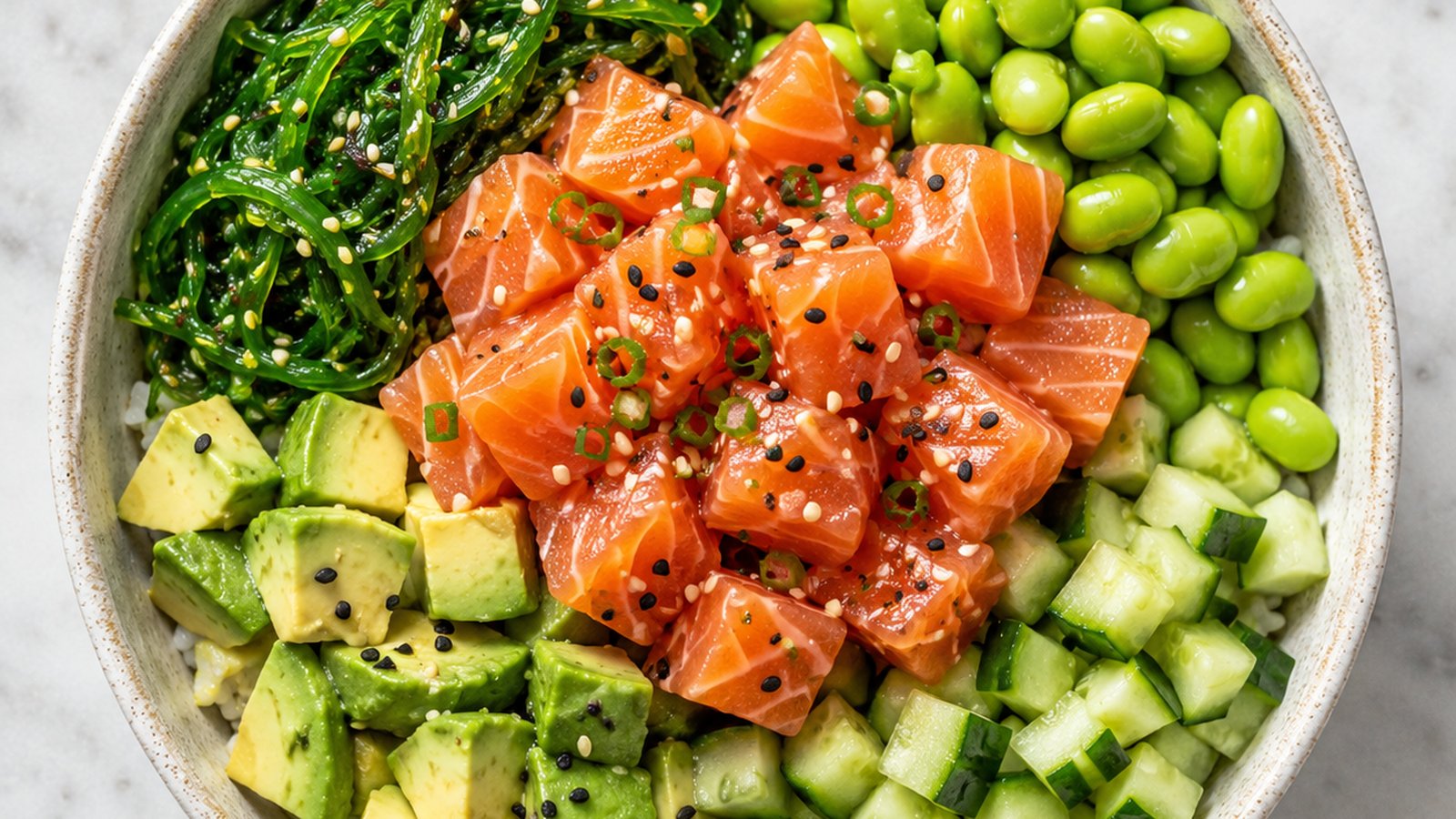
- Dinner: Salmon (5 oz) with steamed vegetables and a small portion of rice, 34 grams
- Total: 92 grams, close enough to the target, and nobody felt deprived
The hidden barrier: appetite
Many adults over 65 simply aren't hungry enough to eat the volume of food that would naturally contain this much protein. If that sounds like you, the workaround is density: include a higher-protein food at every meal even if the meal is small. A half cup of cottage cheese (14 g) takes up almost no plate real estate but gives you a meaningful chunk of the daily target.
For some clients we work with, a once-daily protein shake (whey isolate, ~25g) is the simplest way to close the gap. It's not a replacement for whole food, but it's much better than coming up short every single day.
Want help getting started?
Book a free consultation. We'll talk through your goals, your medical history, and design a starting program built specifically around where you are right now.
Book a Free Consultation